
2048 in Flasks
Drag the left mouse button to put the ball inside
Game Details
- Playable on: Browser
- Genre: Puzzle, Merging, Sorting
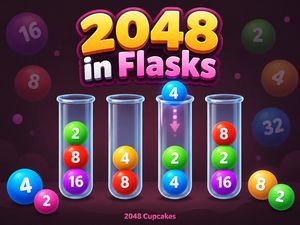
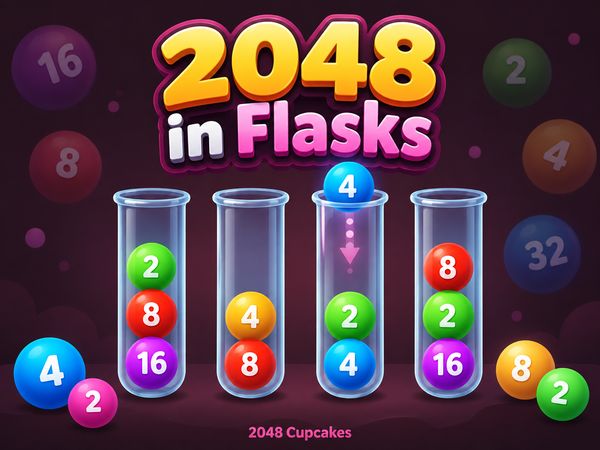
2048 in Flasks turns number merging into a quick vertical sorting challenge. Drag numbered balls into laboratory flasks, then build matching values across 50 puzzle levels. Every placement changes the stack.
The game uses a simple mouse control. Hold the left mouse button, drag a ball, and place it inside a flask. Narrow tubes create a very different board from classic 2048. Balls stack vertically instead of sliding across open grid spaces.
Play 2048 in Flasks online when you want a focused singleplayer puzzle. The clean laboratory-style visuals keep attention on each number and each tube. Start playing now, then test your sorting choices across all 50 levels.
Each move begins with a numbered ball. Use the left mouse button to drag it toward a flask. Release the button to place the ball inside that tube. The game then adds the new piece to the vertical stack.
Look for identical numbers before choosing a destination. Matching values form the central merging task in 2048 in Flasks. A useful move does more than fill space. It places a number where another matching number can matter later.
Read the visible balls from top to bottom. The upper ball gives you the clearest information about the current stack. Lower balls may remain hidden until the pieces above them move through future merges. This makes each placement a small sorting decision.
Do not drag at random. First identify the number you want to work with. Then compare the available flasks and choose the tube that keeps the useful values visible. The left mouse button handles every placement, so accuracy matters more than complicated controls.
Small numbers also deserve attention. They may look less exciting than larger values, but they still shape the next merge. Keep track of them as you build each column. A clean stack makes the next numbered ball easier to judge.
The merging system rewards patience. Wait briefly and read the board before every drag. Watch the current top values, note any identical pair, and place the new ball with that pattern in mind. This approach keeps the puzzle focused and reduces wasteful moves.
2048 in Flasks combines sorting with number merging. Balls occupy narrow laboratory tubes, so the board has a strong vertical shape. Simulated gravity keeps the pieces stacked inside their flasks rather than spread across a flat grid.
That shape changes how you read the puzzle. Check the top of each column first, then inspect the values beneath it. The clean laboratory visuals make those stacks easy to follow. Drag the left mouse button carefully, because a placement can alter the order you planned around.
2048 in Flasks contains 50 distinct puzzle levels. Each level gives the sorting and merging system a fresh arrangement to read. Treat every stage as its own small problem instead of using one fixed move pattern.
Begin by scanning all visible flask tops. Identify repeated numbers and note where each value sits. Then choose a first placement that supports the clearest merge opportunity. This opening check takes only a moment, yet it prevents many hurried moves.
Keep your attention on the whole set of tubes. A move that helps one flask may make another stack harder to read. Compare the visible numbers before dragging. The best choice usually comes from the board as a whole, not from the first matching pair you notice.
Use the level structure to build better habits. Early stages give you room to learn how drag-and-drop placement feels. Later stages ask you to read vertical stacks with greater care. Carry the same habits forward: scan, choose, drag, and inspect the result.
Singleplayer play makes the challenge personal. You set the pace, study each arrangement, and refine your next move without another player changing the board. Focus on clean sorting rather than speed alone.
Remember the main task across the full set. Drop numbered balls into flasks and merge identical numbers. The 50-level format gives that simple idea a long sequence of puzzle decisions, with each stage asking for careful attention.
The game presents 50 puzzle levels with escalating difficulty. As the stages continue, placement choices demand more care. Narrow vertical tubes leave less room for careless sorting, so read the stack before every drag.
Do not assume an earlier solution will fit a later board. Recheck the visible numbers and compare every flask again. Use the left mouse button for deliberate placement, not rushed guesses. A slower first look often produces a cleaner sequence.
Think about flask space before placing a numbered ball. A tube with visible room gives you another location to consider during the next move. Keep that option in mind while you compare matching values.
Do not fill every flask simply because a ball is available. Sort with purpose. Look at the current top values, then decide which tube supports the clearest continuation. A spare-looking flask can still matter when the next number appears.
Preserve visual separation between different values when possible. Mixed stacks make the board harder to read, especially when matching numbers sit beneath other balls. Cleaner columns help you remember what each flask contains.
Use the laboratory layout to your advantage. Scan from one side to the other, then return to the strongest merge candidate. This simple routine keeps your choices consistent and stops one attractive number from hiding the wider board.
Space management also improves mouse accuracy. Aim for the chosen tube, hold the left mouse button, and drag the ball into position. Deliberate placement keeps the board readable and reduces accidental decisions.
Watch low-value balls before they disappear beneath later placements. Their position still affects the vertical order of a flask. If you ignore them, you may lose track of a useful matching number.
Check the stack after each placement. Note which values remain visible and which now sit lower in the tube. Then choose the next drag from that updated view. Clear reading matters more than chasing the largest number on screen.
Try 2048 in Flasks here when you want a compact sorting challenge.
Number merging supplies the main objective in each stage. You place numbered balls into flasks and work with identical values. Read the available stacks, then choose placements that support the merge task in front of you.
Focus on the numbers you can act on now. A visible match gives you a clear starting point. A buried value requires more attention because the balls above it shape what you can see and use next.
Use a simple decision order. First, scan the flask tops. Next, locate identical numbers. Then compare the available tubes. Finally, hold the left mouse button and drag the selected ball into the flask that best fits your plan.
Keep checking the result after every placement. Vertical stacks change the information on the board. One move may reveal a different value, while another may make a matching number less visible. Stay with the updated arrangement instead of following an old plan.
The target number gives your choices direction, but the path still depends on sorting. Avoid treating every large value as the priority. A smaller matching pair may create the cleaner next step and keep more of the board understandable.
Stage progress depends on handling the numbered balls with care. The game offers 50 separate puzzle levels, so each arrangement gives you another chance to improve your reading and placement. Work toward the required merge task one deliberate move at a time.
When a run reaches its final decision point, review the visible flasks before dragging again. Confirm the number, confirm the destination, and use the mouse control precisely. That final check protects a strong sequence from a careless placement.
Classic 2048 uses sliding tiles on a grid. A move shifts tiles across rows or columns, letting you read several open spaces at once. 2048 in Flasks uses a different structure. Balls stack vertically inside narrow tubes under simulated gravity.
That vertical layout controls access. The top of a flask stays easier to read than the values below it. A lower number does not sit in an open square beside you. Other balls stand above it, so your plan must account for the order of the stack.
Strict top-down planning helps. Start with the visible upper values, then consider what the next placement will show. Do not read the board as a flat field. Read each tube as a column with a clear top and deeper layers beneath.
Drag-and-drop also changes the rhythm. The left mouse button places one numbered ball inside a chosen flask. You select the destination directly instead of issuing a broad slide across the board. That control feels simple, but every tube choice carries weight.
The result blends three puzzle ideas: sorting, merging, and vertical stacking. Traditional grid movement rewards open horizontal planning. Flask sorting rewards careful access planning from the top down.
Use that difference to guide your decisions. Scan the tube tops, track the hidden order, and place each ball with the next visible merge in mind. The clean laboratory presentation keeps the rules easy to follow while the narrow flasks make every move count.
Use Left Mouse Button to drag the left mouse button to put the ball inside.
Examine the numbers on the currently available balls and observe the open spaces inside each flask.
Hold the left mouse button to drag the active ball above the target flask and release to drop it down.
Align identical numbers on top of one another so they combine into a single sphere of double the value.
Continue sorting and merging until you synthesize the required number to advance through all 50 levels.
Yes. 2048 in Flasks runs in your phone or tablet browser, with nothing to install.
Browser mouse: Left Mouse Button — drag the left mouse button to put the ball inside.
2048 in Flasks is a focused singleplayer puzzle that blends merging and sorting into a simple, engaging experience. Its flask-based presentation gives the game a distinctive identity, while the uncluttered format keeps attention on placing the ball inside the flasks. The result is an inviting experience that is easy to approach and enjoyable to explore.
If you enjoy compact singleplayer puzzles built around placement, play 2048 in Flasks right here on this page.
No comments yet. Be the first to share your thoughts!