Hexa Block 2048 Idle turns number merging into a quick hexagon puzzle, then keeps progress moving through idle income. You place numbered blocks on a multi-sided grid. Matching values creates the familiar 2048-style chain. Each move asks for care, because space and tile position matter.
The idle clicker layer adds another decision. You can keep arranging pieces for faster progress, or pause active clicking while passive income accumulates. That mix gives the Hexa Block 2048 Idle game a different pace from a standard merge puzzle. It rewards both sharp moves and patient timing.
Use your mouse to move and rotate pieces with simple inputs. Then balance immediate merges against the upgrade progression available during your run. Play Hexa Block 2048 Idle online here and test how far your layout can grow.
Core Mechanics of Hexa Block 2048 Idle
Hexagon Number Merging
Hexa Block 2048 Idle adapts the classic 2048 loop to a hexagon grid. Instead of working with only square spaces, you place numbered hexagon blocks across a multi-sided layout. Matching values gives you the central puzzle task. Look for nearby pieces with the same number before moving anything else.
Every placement changes the space around it. A useful merge can also leave awkward gaps. Keep that risk in mind before you commit a move. Try to preserve open areas for future blocks, rather than filling every available spot immediately.
Start with the clearest pair on the board. Hold one hexagon, move it beside its match, and watch how the layout changes. Then scan the remaining pieces again. The best move may not involve the highest number. A smaller match can free a valuable position and make the next chain easier.
The hexagon shape also changes how you judge distance. Pieces may sit at angles that feel less direct than square-grid moves. Read the surrounding spaces before dragging. Build groups that stay close together, while leaving room for another numbered block to enter the working area.
Think in short sequences. First, find a match. Next, check the open spaces it leaves. Finally, choose where to place the next useful block. This simple rhythm keeps random movement from breaking your layout and helps the familiar 2048-style merging feel more controlled.
Passive Income Generation
Passive income adds a second track to the puzzle. It accumulates over time, even during moments when you pause active clicking. That lets your run keep moving while you study the board or decide on a safer merge.
Use this breathing room wisely. Do not rush a weak placement just because the board feels quiet. Let income build, then return to piece management with a clearer plan. Active merging handles immediate board progress, while passive earnings support a slower pace between decisions.
Handling Mouse Controls and Movement
Moving Hexagon Tiles
The verified movement input is simple: hold the Left Mouse Button on a hexagon to move it. Keep holding while you guide the piece toward its intended position. Release only after checking the nearby spaces and the matching number you want to approach.
Start each drag from the center of the tile. That gives you a cleaner grip and makes the movement easier to control. Move in a steady line instead of making several hurried changes. Smooth dragging helps you judge where the hexagon will sit within the geometric grid.
Before moving a piece, inspect its destination. Ask whether the space sits beside a useful match. Then check what your dragged tile might block. A good destination supports the next move, not just the current one.
Keep valuable open spaces visible. Avoid pushing every tile toward one corner unless that arrangement clearly supports your next merge. A crowded side can make later movement harder. Spread pieces with purpose, while keeping matching numbers close enough to combine.
Use short drags when the target lies nearby. Longer movements need more attention because they cross more of the board. If a placement looks wrong, stop planning the next move and reassess the new layout first. The board may offer a better match than the one you expected.
Mouse movement also rewards patience. Hold the tile, read the path, and release with intent. Do not treat every empty space as equally useful. The strongest position usually preserves both a current match and room for another numbered hexagon.
Tile Rotation and Board Interaction
Clicking a hexagon with the Left Mouse Button rotates and interacts with it. Use a click when the tile needs a different facing or when you want to engage with its board position. Keep clicks deliberate, especially near several possible matches.
Rotate before a move when the piece’s angle affects your planned placement. Then hold the left button to drag it. This two-part control style makes it easier to prepare a tile, place it, and review the surrounding grid without rushing.
Balancing Puzzle Moves with Upgrades
Managing the Board Layout
Keep similar numbered hexagons near each other when the board allows it. Close groups make future merges easier to spot. They also reduce the amount of movement needed with the left mouse button. Do not cluster every piece, though. Leave enough open space for the layout to breathe.
Use the center area for flexible pieces when possible. A central position often gives you more directions for later movement. Place less useful tiles toward the edges only after checking that they will not block a needed route. The hexagon grid rewards careful spacing.
Watch for immediate merge opportunities, but do not accept every one automatically. A quick merge may clear space now. It may also separate another pair that was easier to manage. Compare the short gain with the shape of the whole board before you drag.
When several matches appear, choose the move that keeps the most options open. Preserve a clear area beside useful numbers. Avoid stacking pieces into one tight cluster. Good layouts stay readable, so you can identify the next action without moving tiles at random.
Recheck the board after every important placement. Merging changes the numbers and the available spaces. A position that looked safe a moment ago may now need a new plan. Short reviews prevent small layout problems from spreading across the grid.
Investing in Available Upgrades
Upgrades add a longer-term choice beside board management. Consider them when passive income has accumulated and you want to strengthen your overall progression. Do not ignore the puzzle while checking them. A strong upgrade choice still benefits from a clean, workable layout.
Keep your spending balanced. Immediate merges improve the board you see now, while upgrades support the broader idle clicker side. Switch between both choices instead of using one path every time. Your best decision depends on the current space, numbers, and available progression.
Start playing Hexa Block 2048 Idle here and put that balance to work.
Comparing Active Merging and Idle Progression
Hands-On Clicker Play
Active play gives you direct control over the board. Hold the left mouse button to move a hexagon toward a useful match. Click the hexagon to rotate or interact with it. These simple actions let you create progress instead of waiting for the next passive income gain.
Use active merging when the board shows a clear pair. Quick decisions can open space and keep the numbers moving. Still, speed should not replace awareness. Check the destination, the surrounding pieces, and the space left behind before releasing a tile.
Active play works best during a focused session. Scan the grid, choose one move, and review the result. Then repeat that cycle. This keeps your choices connected and reduces wasteful dragging.
Switch to hands-on play whenever several useful matches sit close together. A short burst of careful movement may reshape the board faster than waiting. Focus on clean placements rather than constant clicking. Every action should serve the next merge or improve the available space.
Passive Earnings Strategy
Passive income suits quieter moments. Let it accumulate while you inspect the board, plan a route, or step away from active clicking. The game continues generating income during those pauses.
Return to active moves when you see a clear opportunity. This rhythm keeps idle progress working without abandoning the puzzle. Alternate patience and action according to the board in front of you.
Browser Performance and Platform Details
Unity WebGL Architecture
The browser release runs through Unity WebGL. That technology brings the Hexa Block 2048 Idle game into a modern web browser without requiring a separate game client. The puzzle, mouse controls, hexagon grid, and idle systems run within that browser experience.
Unity WebGL also suits the game’s direct control style. You hold the left mouse button to move a tile, then click to rotate or interact. Keep the game tab visible while making precise placements. A clear browser window makes the grid easier to read during busy merge sequences.
Browser play keeps the focus on the board. Open the game, wait for the page to load, and use the mouse inputs described above. No extra control scheme competes with the puzzle. The singleplayer format keeps your attention on tile positions, number matches, and personal progression.
No-Download Web Access
That makes it easy to start a short session, build passive income, or return for focused merging.
Open the game on this page, use the mouse, and begin arranging numbered hexagon blocks immediately.
Compare with Similar Games
| Game |
Why Similar |
| 2048 Merge Blocks |
Both games share the core mechanic of merging identical numbered blocks to combine them into the next power of two. |
| Drop & Merge the Numbers |
Both games share the mechanic of combining adjacent identical numbered blocks upon contact to create higher-value numbers. |
✨ Key Features of Hexa Block 2048 Idle
- Hybrid gameplay combining 2048-style number merging with idle clicker elements
- Geometric hexagon grid layout for tile placement
- Passive income generation that accumulates over time
- Simple mouse controls to hold, move, and rotate pieces
- Instant browser play powered by Unity WebGL
How to Play Hexa Block 2048 Idle
Step 1: Use the game controls
Use Left Mouse Button to hold on the hexagon to move it. Use Left Mouse Button to click the hexagon to rotate and interact.
Step 2: Load the Board
Open the game in your browser window to display the starting hexagonal grid.
Step 3: Move and Position Tiles
Hold down the Left Mouse Button on an active hexagon to reposition it onto the board.
Step 4: Rotate for Alignment
Click the Left Mouse Button on your piece to rotate it before committing your placement.
Step 5: Merge Matching Values
Group identical numbers together so they combine toward the target 2048 value.
Step 6: Purchase Upgrades
Use your accumulated passive income to buy board and earnings upgrades.
Hexa Block 2048 Idle FAQs
What are the basic controls for Hexa Block 2048 Idle?
Browser mouse: Left Mouse Button — hold on the hexagon to move it; Left Mouse Button — click the hexagon to rotate and interact.
Can I play Hexa Block 2048 Idle on mobile devices?
Yes. Hexa Block 2048 Idle runs in your phone or tablet browser. It is played by pointing and clicking, so a tap does the same job.
Conclusion
Hexa Block 2048 Idle brings together puzzle and idle clicker gameplay in a focused singleplayer experience. Its hexagon-centered design keeps interaction simple while offering room to think, making it easy to settle into a relaxed yet engaging session. Built with Unity WebGL, it runs directly in your browser without requiring anything beyond a mouse.
If you enjoy browser puzzles with an idle clicker feel, give it a try and play Hexa Block 2048 Idle right here on this page.
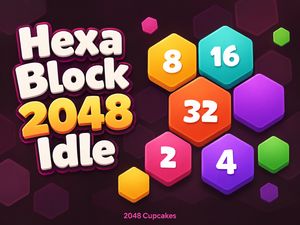
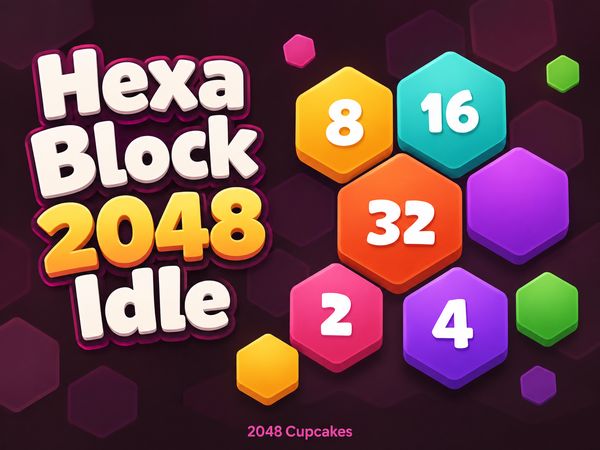
Hexa Block 2048 Idle Game Image

No comments yet. Be the first to share your thoughts!